
Understanding what is ISP: Knowing the Internet.
- What is ISP? – Introduction
- Internet कैसे काम करता है? – एक सरल समझ
- इंटरनेट का नेटवर्क स्ट्रक्चर
- Data packets और उनका सफर
- ISP का फुल फॉर्म और अर्थ
- ISP की ज़रूरत क्यों पड़ती है?
- ISP कैसे इंटरनेट प्रोवाइड करता है?
- Servers और Data Centers
- Submarine Cables और Satellites
- Types of ISP
- Dial-up ISP
- Broadband ISP
- Fiber ISP
- Wireless ISP
- Satellite ISP
- Students को ISP कैसे प्रभावित करता है?
- ISP के Examples
- ISP चुनते समय किन चीज़ों का ध्यान रखें?
- Speed
- Latency
- Data limit
- Reliability
- Bandwidth क्या है और ISP से इसका क्या रिश्ता है?
- Static और Dynamic IP क्या होते हैं?
- ISP Throttling क्या होता है?
- Fair Usage Policy (FUP) का मतलब
- ISP Security – वे आपको कैसे सुरक्षित रखते हैं?
- Future of ISP – आने वाला इंटरनेट कैसा होगा?
- 5G Internet
- Fiber-to-Home
- Satellite इंटरनेट (Starlink आदि)
- Conclusion
- 5 FAQs
What is ISP? – Introduction
अगर आप रोज़ाना Internet यूज़ करते हैं—चाहे YouTube देखना हो, Google पर कुछ सर्च करना हो, या Online Class अटेंड करनी हो—तो आप एक ऐसी चीज़ पर 100% depend करते हैं, जिसका नाम है ISP (Internet Service Provider)। लेकिन क्या आपने कभी सोचा कि यह ISP असल में होता क्या है? यह कैसे काम करता है? हमें इंटरनेट आखिर मिलता कैसे है?
कई Students सोचते हैं कि इंटरनेट Wi-Fi router में मौजूद होता है। लेकिन सच तो यह है कि router सिर्फ एक छोटा सा bridge है, असली इंटरनेट तो ISP की तरफ से आता है। बिना ISP के न Wi-Fi चलता, न Mobile Data, न Online Classes।
इंटरनेट आज की जिंदगी की सबसे बड़ी जरूरत बन चुका है—चाहे पढ़ाई हो, assignment submission हो, coding सीखना हो या कोई competitive exam की preparation। इसलिए Students के लिए ISP को समझना बहुत जरूरी है।
इस आर्टिकल में हम आसान भाषा में, example और real-life comparisons के साथ, समझेंगे कि ISP क्या है और यह कैसे काम करता है। पढ़ने के बाद आप confidently कह सकेंगे:
👉 “हाँ, अब मुझे ISP की पूरी knowledge है!”
Internet कैसे काम करता है? – एक सरल समझ
Internet को अगर बहुत ही simple भाषा में समझें, तो ये दुनिया का सबसे बड़ा network है जहाँ लाखों–करोड़ों computers, mobile devices, servers और websites आपस में connected रहते हैं। लेकिन Students के लिए सबसे आसान analogy यह है कि Internet एक विशाल Road Network जैसा है, और आपकी device (mobile या laptop) एक छोटी गाड़ी की तरह है। ISP यहाँ Traffic Highway बनाने वाली company की तरह काम करता है।
जब भी आप एक YouTube वीडियो play करते हैं, Google पर कुछ search करते हैं, या Instagram scroll करते हैं—आपकी device से data छोटे-छोटे packets में travel करता है। ये packets पूरी दुनिया के servers तक पहुँचते हैं और फिर वापस आपकी device में आते हैं। यह सफर बिजली की स्पीड से होता है—milliseconds में!
इंटरनेट का नेटवर्क स्ट्रक्चर
Internet कई layers में काम करता है:
- Local Network (आपका घर या school का Wi-Fi network)
- ISP Network (जैसे Airtel, Jio, BSNL)
- Backbone Network (Global Internet highways)
- Servers (जहाँ websites, videos, apps stored होते हैं)
आपकी device सबसे पहले ISP से connect होती है, ISP आगे global networks से।
Data packets और उनका सफर
जब आप किसी website को open करते हैं:
- आप request भेजते हैं
- आपकी request ISP के server तक जाती है
- वहाँ से global internet servers तक
- फिर website का data वापस packet में आपकी device तक
यह process इतना तेज़ होता है कि आपको instant result मिलता है।
इसीलिए ISP को internet का heart कहा जाता है—यह हर data को सही जगह पहुँचाने में मदद करता है।
ISP का फुल फॉर्म और अर्थ
ISP का मतलब है Internet Service Provider, यानी वो company जो आपको internet service देती है।
India में popular ISPs हैं:
- Jio Fiber
- Airtel Xstream
- BSNL Broadband
- Hathway
- ACT Fiber
ये ISPs बड़े-बड़े servers और underground cables के जरिए आपको घर या mobile में internet supply करते हैं।
ISP basically वो bridge है जो आपकी device को पूरी दुनिया के internet से जोड़ता है।
ISP की ज़रूरत क्यों पड़ती है?
सोचिए कि आप अपने मोबाइल में YouTube खोलना चाहते हैं या Laptop पर Google Classroom में assignment submit करना चाहते हैं। क्या यह सब सिर्फ एक मोबाइल या एक लैपटॉप से हो सकता है? बिल्कुल नहीं। Device में इंटरनेट मौजूद नहीं होता—इंटरनेट बाहरी दुनिया से आता है, और उसे लाने का काम सिर्फ और सिर्फ ISP करता है। इसलिए ISP की ज़रूरत इतनी महत्वपूर्ण है कि उसके बिना digital दुनिया एक सेकंड भी नहीं चल सकती।
ISP की ज़रूरत समझने के लिए इसे एक पानी की pipeline की तरह समझिए। आपके घर में पानी खुद-ब-खुद नहीं आता। एक company pipeline बिछाती है, पानी filter करती है, और pressure के साथ आपके घर तक भेजती है। उसी तरह ISP इंटरनेट की pipeline बिछाता है—fiber cables, servers, towers, satellites—और उन्हें maintain करता है। फिर वह high-speed data आपके घर तक पहुँचाता है।
Students के लिए ISP की ज़रूरत आज पहले से कहीं ज़्यादा बढ़ गई है।
आइए देखें क्यों:
1. Online Classes और E-Learning
Pandemic के बाद से ऑनलाइन पढ़ाई अब permanent reality बन चुकी है। Zoom, Google Meet, Microsoft Teams—इन platforms के लिए stable internet ज़रूरी है। यदि ISP अच्छा न हो तो voice break, screen freeze, और disconnecting problems common हो जाती हैं।
2. Study Materials Download करना
NCERT PDFs, lecture videos, coding resources, e-books—सब download होते हैं।
Slow ISP मतलब आधा दिन download में चला जाएगा।
3. Competitive Exams की तैयारी
BYJU’S, Unacademy, PhysicsWallah, Khan Academy—इन सभी platforms पर depend करने के लिए strong internet चाहिए।
ISP सही नही तो पूरी class skip हो सकती है।
4. Online Exams
अब ज्यादातर exams online हो रहे हैं—college tests, entrance exams, quizzes, coding tests।
Exam के दौरान network issue आ जाए तो पूरा score effect हो सकता है।
5. Entertainment और Stress Relief
Study के बीच में YouTube, Reels, Netflix, gaming—ये सब Students की routine का हिस्सा हैं।
ISP खराब तो entertainment half, frustration double!
6. Projects, Coding और Research
Engineering students को GitHub, Kaggle, StackOverflow जैसे platforms लगातार access करने पड़ते हैं।
Design students को software updates, heavy files download/upload करनी होती हैं।
Good ISP = Fast productivity.
कुल मिलाकर, ISP सिर्फ इंटरनेट देने वाला नहीं बल्कि Students का सबसे बड़ा academic partner है।
ISP कैसे इंटरनेट प्रोवाइड करता है?
अब असली मज़ेदार हिस्सा आता है—इंटरनेट हमारे घर तक पहुँचता कैसे है?
बहुत से Students सोचते हैं कि ISP बस Wi-Fi या mobile tower से signal भेज देता है। लेकिन असली process उससे कहीं ज़्यादा बड़ा, तकनीकी और interesting है। ISP actually एक विशाल सिस्टम चलाता है जो 24×7 active रहता है, ताकि आप कभी भी internet use कर सकें।
इसे समझने के लिए इसे एक “इंटरनेट डिलीवरी सिस्टम” की तरह imagine करें। जैसे Amazon आपके घर तक product reach करने के लिए warehouse, delivery boys और transport network इस्तेमाल करता है, वैसे ही ISP इंटरनेट को reach कराने के लिए बहुत बड़ा network चलाता है।
Servers और Data Centers
सबसे पहले ISP के पास huge servers होते हैं। ये servers powerful computers होते हैं जहाँ से आपका data pass होकर जाता है। ISP के ये data centers:
- 24×7 चालू रहते हैं
- Backup power से चलते हैं
- High-speed fiber cables से connected रहते हैं
- लाखों users का data एक साथ संभालते हैं
जब आप YouTube पर एक वीडियो play करते हैं, तो request आपके घर → ISP Server → Global Server → वापस ISP → आपकी device तक आती है।
Submarine Cables और Satellites
यहाँ एक mind-blowing fact है—
आप जो भी international site open करते हैं (जैसे Google, Facebook, Instagram), उसका data समुद्र के अंदर बिछी हुई पतली-सी fiber optic cables के through travel करता है।
भारत तक internet की main supply आती है:
- International Sea Cables
- Satellite Signals
- Global Internet Exchange Points
फिर ISP इन signals को अपने नेटवर्क से users तक भेजता है।
ISP आपके घर तक इंटरनेट कैसे भेजता है?
ISP सामान्यतः 3 तरीकों से इंटरनेट deliver करता है:
- Fiber Optic Cable
सबसे fast और stable internet यही है।
Fiber आप तक ISP के optical network terminal (ONT) से आता है। - Coaxial Cable (जैसे Hathway, Siti Cable)
यह पुरानी technology है लेकिन काफी जगह अब भी इस्तेमाल होती है। - Wireless Signals → Towers (जैसे Jio, Airtel 4G/5G mobile data)
आपके phone तक signals mobile towers से आते हैं।
घर में Router क्या role निभाता है?
Router सिर्फ ISP की दी हुई internet line को wireless Wi-Fi में convert करता है। इंटरनेट का असली source router नहीं, ISP होता है।
Simple Summary
- Global Internet → Submarine Cable → National Network → ISP Servers → Local Network → आपका Router → आपकी Device
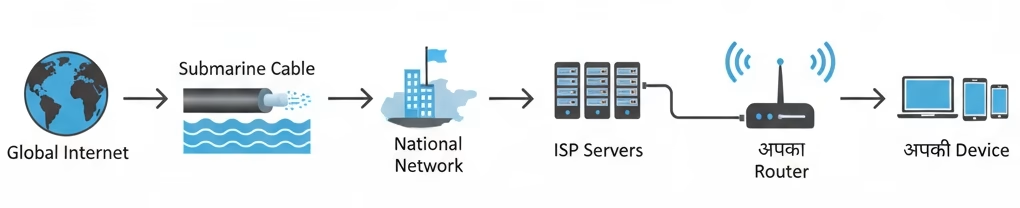
पूरा process milliseconds में होता है। इसीलिए इंटरनेट को modern technology का miracle कहा जाता है।
Types of ISP
ISP कई तरह के होते हैं, और हर ISP अलग technology, speed और stability के साथ internet provide करता है। Students के लिए ये समझना बहुत ज़रूरी है कि कौन-सा ISP उनके लिए सबसे बेहतर रहेगा। क्योंकि आपकी online classes, assignments, research, gaming—सब depend करते हैं कि आप किस type के ISP को use कर रहे हैं।
नीचे हम हर type को easy language में, relatable examples के साथ detail में समझेंगे।
1. Dial-up ISP – पुरानी Technology
Dial-up ISP वो दौर था जब इंटरनेट phone line से मिलता था। Speed इतनी slow होती थी कि एक image load होने में मिनटों लग जाते थे। आज के समय में इसका use लगभग खत्म हो चुका है, लेकिन history समझने के लिए important है।
Dial-up की problems:
- Speed बहुत slow (56 Kbps तक)
- Call करते समय internet disconnect
- No video streaming
- High ping
- No usage for online classes
आज के students इससे पढ़ाई तो क्या, google search भी मुश्किल से कर पाएँगे।
2. Broadband ISP – सबसे Common
Broadband internet आज भारत में सबसे ज़्यादा use होने वाला ISP type है। यह DSL, Cable या basic fiber connections के जरिए internet provide करता है।
Features:
- 10 Mbps से 200 Mbps तक speed
- Stable connection
- घर, school और offices में सबसे common
- Online classes, YouTube, research—सब आसानी से चलता
Broadband students के लिए सबसे practical और affordable choice है।
3. Fiber ISP – Fastest Internet
Fiber ISP आज modern internet का king है। Fiber cables glass या plastic की बनी होती हैं जिनमें data light के form में travel करता है। यानी speed literally प्रकाश की गति के करीब!
Benefits:
- Speed 50 Mbps से 1 Gbps+
- Zero lag online classes
- No buffering
- Coding, large file download, gaming—सब fastest
- Best stability
Fiber ISP students के लिए एक dream connection है।
4. Wireless ISP (WISP)
Wireless ISP towers के through signals भेजता है। ये rural areas में popular है जहाँ fiber या cable पहुँचना मुश्किल होता है।
Features:
- Speed decent (5–50 Mbps)
- Cables की जरूरत नहीं
- Weather dependency → storms में speed कम हो सकती है
Remote villages में पढ़ने वाले students के लिए ये एक अच्छा option है।
5. Satellite ISP
Satellite internet space में मौजूद satellites से आता है। Starlink जैसे नए systems इसे बहुत fast बना रहे हैं।
जहाँ कोई ISP नहीं पहुँच सकता, वहाँ Satellite ISP ही solution है।
But…
- Hardware expensive
- High latency
- Weather interrupt कर सकता है
लेकिन remote education ये ही बचाता है।
Satellite ISP future में बहुत बड़ा role निभाने वाला है।
Students’ को ISP कैसे प्रभावित करता है?
Students की पूरी digital life ISP पर depend करती है। आज के समय में पढ़ाई का 60–80% हिस्सा online platforms पर shift हो चुका है—YouTube lectures, Google Classroom, Zoom meetings, online tests, coding practice, e-books downloads, research आदि। ऐसे में ISP का अच्छा या खराब होना सीधे आपकी पढ़ाई की quality को प्रभावित करता है।
अगर ISP fast और stable है, तो learning smooth रहती है। लेकिन अगर ISP slow या unreliable है, तो पढ़ाई रुक-रुक कर होती है, frustration बढ़ता है और productivity गिर जाती है।
आइए इसे deep में समझते हैं:
E-Learning Experience
Online classes का सबसे बड़ा सहारा good internet connection है। अगर class के बीच voice break हो, screen blur हो जाए या बार-बार reconnect करना पड़े, तो concepts समझना मुश्किल हो जाता है।
एक strong ISP:
- HD online classes smooth बनाता है
- Zero lag audio/video देता है
- Screen share आसानी से चलता है
- Teacher की हर बात clear सुनाई देती है
गलत ISP → concepts missing → revision time double।
इसलिए Students को ISP चुनते समय stability को priority देनी चाहिए।
Online Exams
आज कई schools, colleges और competitive institutes online exams conduct कराते हैं।
लेकिन imagine कीजिए—exam के बीच आपका internet बंद हो जाए!
Panic > Stress > Performance drop.
ISP online exams में यह impact डालता है:
- अचानक disconnect होना
- Slow loading of questions
- Lag in submitting answers
- Timer running but page frozen
एक अच्छा ISP इन risk को almost zero कर देता है।
Projects and Research Work
Engineering, medical, commerce, arts—हर stream में research material online ही मिलता है।
ISP ही decide करता है कि आपका workflow कैसा रहेगा:
- Files जल्दी download होंगी या देर से
- Libraries/portals smoothly open होंगे या hours लगेंगे
- Team projects में Google Docs के जरिए collaboration आसान होगा या मुश्किल
Fast ISP = Fast Research
Slow ISP = Slow Progress
Skill Development Platforms
Students आज:
- Coding सीखते हैं
- Canva में design बनाते हैं
- Coursera/Udemy से courses करते हैं
- GitHub पर projects upload करते हैं
इन सबमें high-speed और low-latency ISP बहुत मदद करता है।
Stress Relief & Mental Health
पढ़ाई के बाद थोड़ी entertainment भी जरूरी होती है:
- YouTube
- Netflix
- Gaming
Slow internet frustration पैदा करता है जबकि smooth internet mind relax करता है—directly improving concentration.
कुल मिलाकर, ISP सिर्फ internet नहीं देता—यह students की learning efficiency, productivity और mental balance तीनों को shape करता है।
ISP के Examples
अब जब आपको ISP की पूरी basic understanding हो चुकी है, तो यह जानना भी ज़रूरी है कि भारत और दुनिया में कौन-कौन से ISP सबसे लोकप्रिय हैं। Students के लिए ये examples helpful होंगे क्योंकि जब भी आप घर में नया internet connection लगवाएँगे या mobile SIM चुनेंगे, तो इन्हीं में से किसी ISP का option आएगा। हर ISP अलग speed, plans, coverage और customer support provide करता है—इसलिए इन्हें समझना ज़रूरी है।
नीचे हमने ISP को दो categories में divide किया है: भारत के ISP और दुनिया के ISP।
भारत के Popular ISPs
भारत में इंटरनेट तेजी से growth कर रहा है और यहाँ competition भी बहुत ज़्यादा है। Students के लिए most recommended ISPs हैं:
1. Jio Fiber
- आज भारत का सबसे fast-growing fiber ISP
- 30 Mbps से 1 Gbps तक speed
- Plans affordable
- Students के लिए best value-for-money
- Online classes, gaming, coding—सब smooth चलता है
2. Airtel Xstream Fiber
- सबसे stable और premium ISP माना जाता है
- Zero lag connectivity
- Top-notch customer support
- Long video calls या online exams के लिए perfect
3. BSNL Broadband
- Public sector ISP
- Rural areas में सबसे ज्यादा coverage
- Basic usage के लिए अच्छा option
- Fiber plans भी available हैं
4. ACT Fiber
- Metro cities में बहुत fast internet
- High-speed fiber for heavy users
- Coding students और gamers के लिए recommended
5. Hathway / Siti Cable
- Cable internet providers
- Plans cheap
- Moderate performance
- छोटे शहरों में common
Mobile Data ISPs
Mobile users के लिए सबसे common options:
- Jio 4G/5G – Fastest mobile internet
- Airtel 4G/5G – Stable और secure
- Vi (Vodafone Idea) – कुछ जगह strong, कुछ जगह weak
Students जो घर से दूर रहते हैं, या Wi-Fi नहीं है, उनके लिए mobile data भी ISP का ही एक रूप है।
International ISP Examples
दुनिया में कुछ top ISPs हैं:
- Comcast (USA)
- AT&T (USA)
- Verizon (USA)
- BT (UK)
- Starlink (Global Satellite ISP)
इनमें से Starlink सबसे अनोखा है क्योंकि यह satellite internet provide करता है, जिससे remote areas में भी 100 Mbps+ speed मिल सकती है।
कौन-सा ISP Students के लिए Best है?
अगर घर में पढ़ाई होती है, online classes, video streaming और research ज़्यादा है, तो:
👉 Fiber ISPs जैसे Jio Fiber या Airtel Fiber सबसे perfect choice हैं।
अगर आप hostel में हैं:
👉 Mobile data (Airtel या Jio 5G) fastest response देता है।
अगर आप rural area में रहते हैं:
👉 BSNL Fiber, WISP या Satellite ISP सबसे अच्छे रहेंगे।
Students को internet चुनते समय हमेशा ये तीन बातें check करनी चाहिए:
- Speed
- Stability
- Latency
ISP चुनते समय किन चीज़ों का ध्यान रखें?
सही ISP चुनना Students के लिए उतना ही ज़रूरी है जितना सही किताब या सही coaching चुनना। गलत ISP आपके पूरे study schedule को खराब कर सकता है—online classes अटकेंगी, YouTube lectures buffer होंगे, assignments upload नहीं होंगे, और research work slow हो जाएगा। इसलिए ISP लेने से पहले कुछ factors का ध्यान रखना बहुत जरूरी है। इन factors को समझना आपके लिए एक long-term benefit साबित होगा।
आइए इसे detail में समझते हैं:
1. Speed (Internet Speed Matters!)
Internet speed ऑनलाइन पढ़ाई का सबसे पहला और important factor है।
Speed को तीन parts में समझते हैं:
- Download Speed → YouTube videos, PDFs, lectures download करने की speed
- Upload Speed → Assignments, projects, exam submissions upload करने की speed
- Overall Bandwidth → एक साथ कई devices connect होने पर भी speed बनी रहनी चाहिए
Students के लिए कम से कम:
- 30–50 Mbps basic online classes के लिए
- 100 Mbps coding, gaming और heavy downloads के लिए
- 150–300 Mbps अगर घर में कई लोग internet use करते हों
Speed जितनी ज्यादा, आपका study experience उतना बेहतर।
2. Latency (Ping Time)
Latency को simple भाषा में response time कहते हैं—यानी server को आपकी request का जवाब देने में कितना time लगता है।
Low latency = fast response
High latency = lag, delay, buffering
Students को खासकर low-latency की जरूरत होती है क्योंकि:
- Online classes में voice lag नहीं होता
- Screen share smooth चलता है
- Online exams बिना delay चलते हैं
- Coding platforms instant open होते हैं
Fiber internet में latency सबसे low होती है (5ms–20ms), जबकि wireless या satellite में high होती है।
3. Data Limit (FUP – Fair Usage Policy)
कई ISP monthly data limit रखते हैं। इसे कहते हैं FUP।
अगर आपका data limit खत्म हो जाए तो:
- Speed drastically slow हो जाती है
- Online classes freeze होने लगती हैं
- Downloads almost impossible
Students के लिए हमेशा unlimited data या high FUP वाला plan ज़रूरी है।
Example:
3000GB FUP वाला plan heavy online study के लिए best होता है।
4. Reliability (Stability Over Everything)
Speed high होना एक बात है, लेकिन internet हमेशा reliable होना उससे भी ज़्यादा important है।
अगर आपका ISP:
- बार-बार disconnect होता है
- हर 2–3 घंटे में speed drop देता है
- maintenance बहाना बनाकर घंटों service बंद कर देता है
तो आपके online exams और classes पूरी तरह depend नहीं कर पाएँगे।
Reliable ISP हमेशा:
- Stable connection देता है
- Less downtime रखता है
- Quick customer support देता है
Students के लिए reliability हमेशा speed से ऊपर होनी चाहिए।
5. Customer Support
Imagine कीजिए—exam शुरू होने से 20 मिनट पहले आपका internet बंद हो गया।
ऐसी situation में fast customer support ही आपकी help कर सकता है।
एक अच्छा ISP:
- जल्दी complaint solve करता है
- 24×7 support देता है
- Remote troubleshooting करता है
Poor support = आपके critical study moments में risk।
6. Cost & Value for Money
Students के लिए budget friendly plans सबसे अच्छा option होते हैं।
लेकिन सिर्फ cheap plan देखना गलत है—value देखनी चाहिए।
Best strategy:
- Fiber > Broadband > Wireless > Satellite
- Monthly unlimited plan
- Minimum 50–100 Mbps speed
- Stable latency
अगर दोस्त या relative पहले से किसी ISP को use कर रहे हों, तो उनसे real feedback लेना सबसे best तरीका है।
सही ISP चुनना long-term investment है।
यह आपकी पढ़ाई की quality, performance और confidence—तीनों को directly impact करता है।
Bandwidth क्या है और ISP से इसका क्या रिश्ता है?
Bandwidth शब्द Students को अक्सर confuse करता है। कई लोग इसे सिर्फ “speed” समझ लेते हैं, लेकिन bandwidth actually internet की lane capacity होती है। इसे simple और fun तरीके से समझें तो bandwidth एक “सड़क” की तरह है, और data “गाड़ियों” की तरह चलता है। सड़क जितनी चौड़ी होगी, उतनी अधिक गाड़ियाँ एक साथ तेज़ी से जा सकेंगी। उसी तरह bandwidth जितनी ज़्यादा होगी, उतना अधिक data एक साथ बिना रुकावट के travel कर सकेगा।
Bandwidth का ISP से संबंध सीधा-सादा है—ISP ही आपको bandwidth allot करता है।
अगर आपका plan 50 Mbps है, तो ISP आपको उतनी bandwidth देता है। 100 Mbps plan में दोगुनी bandwidth मिलती है। Students को bandwidth इसलिए समझना जरूरी है क्योंकि यह directly affect करती है कि आपका internet एक समय में कितनी devices को support कर सकता है।
अब इसे detail में 300+ words में समझते हैं:
Bandwidth कैसे काम करता है?
जब एक घर में:
- आप online class attend कर रहे हों
- भाई YouTube videos देख रहा हो
- पिता office meeting कर रहे हों
- कोई Netflix चला रहा हो
तो हर एक activity data consume करती है। अगर bandwidth कम हो, तो:
- Class freeze होगी
- Video buffer करेगा
- Meeting lag करेगी
लेकिन bandwidth ज़्यादा हो तो सब smooth चलता है।
इसीलिए इसे “data highway capacity” कहा जाता है।
Bandwidth vs Speed — Students क्यों confused होते हैं?
Students अक्सर दो terms में confuse हो जाते हैं:
- Speed = Data कितनी तेजी से travel करता है
- Bandwidth = एक समय में कितना data travel कर सकता है
Example:
मान लीजिए आपके पास 50 Mbps speed वाला connection है।
इसका मतलब है आपका maximum download speed लगभग 6–7 MB/s हो सकता है।
लेकिन bandwidth कम होने पर यह speed कई devices में divide हो जाती है।
जैसे–
घर में पाँच लोग हैं और सब internet use करते हैं,
Bandwidth सभी में split हो जाती है।
Result → आपकी online class slow।
Students के लिए सही Bandwidth कितनी होनी चाहिए?
अगर घर में सिर्फ 1–2 लोग हैं और हल्का usage है:
👉 30–50 Mbps sufficient
अगर online classes + YouTube + work from home चलता है:
👉 100 Mbps ideal
अगर कई devices एक साथ चलती हैं (laptops, mobiles, smart TVs, gaming consoles):
👉 150–300 Mbps best
अगर पूरा घर smart devices से भरा है:
👉 300 Mbps–1 Gbps perfect
High Bandwidth क्यों जरूरी है?
- Online class में HD video बिना break चले
- Google Classroom में assignments जल्दी upload हों
- Coding platforms instant open हों
- Research papers जल्दी download हों
- Video conferences stable हों
- Multiple users के बावजूद internet smooth चले
Bandwidth basically आपकी पढ़ाई की smoothness decide करता है।
Bandwidth को समझना Students के लिए important skill है, क्योंकि यही define करता है कि आपका internet study-friendly है या नहीं।
Static और Dynamic IP क्या होते हैं?
Internet पर हर device का एक unique पहचान नंबर होता है जिसे IP Address (Internet Protocol Address) कहते हैं। ये बिल्कुल आपके घर के पते की तरह होता है—जहाँ data packets को पहुँचना होता है। लेकिन IP address दो तरह के होते हैं: Static IP और Dynamic IP। Students अक्सर इन दोनों में confused रहते हैं, इसलिए इन्हें हल्की, आसान और relatable language में समझते हैं।
Static IP (Permanent Internet Address)
Static IP एक permanent address की तरह होता है।
यह बदलता नहीं है।
Server-based work या professional activities के लिए Static IP बहुत useful होता है।
Static IP आपको ISP manually assign करता है।
इसके benefits:
- Websites या servers host करना आसान
- CCTV cameras को कहीं से भी access कर सकते हैं
- Online business tools smooth चलते हैं
- VPN setups में कोई issue नहीं
- Gaming में stable connection
Static IP usually businesses, schools, offices, developers या CCTV monitoring setups में use किया जाता है।
लेकिन Students के लिए इसे हमेशा लेना जरूरी नहीं है क्योंकि Static IP के लिए extra charges देने पड़ते हैं और normal internet browsing में इसका कोई बड़ा advantage नहीं होता।
Dynamic IP (Changing Address)
Dynamic IP एक changing address की तरह होता है जिसे ISP automatically assign करता है।
हर बार आपका router restart होता है या network refresh होता है, Dynamic IP बदल सकता है।
Most Home users, Students, and mobile data users dynamic IP ही use करते हैं।
इसके benefits:
- Free होता है
- Automatically work करता है
- Privacy बेहतर (IP बार-बार बदलने से tracking कठिन)
- Daily tasks: online classes, YouTube, research — सब इसके लिए perfect
Dynamic IP ही 90% users के लिए best option है।
Static vs Dynamic — तुलना समझें
| Feature | Static IP | Dynamic IP |
| Change होता है? | No | Yes |
| Price | Paid | Free |
| Best for | Servers, CCTV, Business | Home users, Students |
| Security | थोड़ा कम | Better privacy |
| Stability | High | Moderate |
| ISP role | Manual assignment | Automatic assignment |
Students के लिए कौन-सा IP जरूरी है?
Students को ज्यादातर Dynamic IP ही चाहिए।
Online classes, exams, downloading, uploading, video calls — सब dynamic IP पर perfectly चल जाते हैं।
Static IP केवल उन students के लिए useful है जो:
- Home server बनाते हैं
- Website host करते हैं
- CCTV monitoring कर रहे हैं
- Professional networking सीख रहे हैं
बाकियों के लिए dynamic IP enough है।
IP Address क्यों important है?
क्योंकि IP ही आपकी device को internet पर identify करता है।
Imagine करें — बिना IP के आपकी device बिल्कुल address-less हो जाएगी, और internet को पता ही नहीं चलेगा कि data packets कहाँ भेजने हैं।
इसलिए ISP आपकी device को IP assign करता है ताकि internet communication possible हो सके।
Static और Dynamic IP को समझना जरूरी है क्योंकि ये आपकी privacy, speed और stability को indirectly affect करते हैं।
ISP Throttling क्या होता है?
ISP Throttling एक ऐसी hidden technique है जिसे बहुत कम Students समझ पाते हैं, लेकिन यह आपके internet experience को सबसे ज़्यादा प्रभावित करती है। Throttling का मतलब है—जानबूझकर आपकी internet speed को slow कर देना, चाहे आपका plan high-speed वाला ही क्यों न हो। यह सुनकर पहले तो अजीब लगता है, लेकिन ISP कई reasons से ऐसा करते हैं।
इसे आसान भाषा में समझने के लिए एक real-life example लेते हैं।
Imagine कीजिए आप एक highway पर गाड़ी चला रहे हैं। अचानक road authorities speed limit लगा देती हैं—अब चाहे आपकी car कितनी भी fast हो, पर आपको उसी limited speed पर drive करना पड़ेगा।
इसी तरह, ISP आपके connection पर “speed limit” लगा देता है—इसे ही ISP Throttling कहते हैं।
अब Students के लिए इसे detail में 300+ words में समझते हैं:
ISP Throttling क्यों करते हैं?
1. Network Congestion (ज्यादा users एक साथ online हों)
Peak time — जैसे शाम 7 बजे से रात 11 बजे—ISP पर बहुत load होता है।
इस दौरान ISP कुछ users की speed कम कर देता है ताकि पूरा network crash न हो।
2. Fair Usage Policy (FUP Limit)
अगर आपने आपना monthly data limit exceed कर लिया है,
तो ISP automatically speed reduce कर देता है।
Example:
3000GB FUP खत्म → speed 150 Mbps से गिरकर 10 Mbps हो जाती है।
3. Heavy Applications का इस्तेमाल
कुछ activities बहुत bandwidth खाती हैं:
- Torrent downloading
- 4K/8K streaming
- Heavy gaming updates
- Cloud backup
ISP कई बार इन्हें detect करके speed throttle कर देता है।
4. Unlimited Plan का misuse रोकना
Unlimited plans लेने वाले कुछ users बहुत heavy downloading करते हैं, जिससे पूरा network slow हो सकता है।
ISP load balance करने के लिए उनकी speed reduce कर देता है।
Students पर ISP Throttling का Effect
Students की internet-based पढ़ाई throttling से बुरी तरह प्रभावित हो सकती है।
- Online classes lag होंगी
- Google Meet / Zoom freeze होगा
- YouTube lectures buffer होंगे
- Websites slow load होंगी
- Online exams में page delay होगा
- Assignments upload time बढ़ जाएगा
- Coding platforms (HackerRank, GitHub) slow respond करेंगे
यानी थ्रॉटलिंग आपकी productivity पर सीधा negative impact डालती है।
ISP Throttling कैसे पहचानें?
कई आसान ways हैं:
- Speedtest.net पर speed suddenly कम दिखे
- YouTube या OTT buffering करे
- सिर्फ कुछ apps slow हों (जैसे torrent, Netflix)
- VPN on करने पर speed फिर fast हो जाए
- Peak hours में internet slow हो जाए
अगर VPN से speed बढ़ती है → 100% throttling है।
Throttling का Solution क्या है?
- High FUP वाले plans लें
- Fiber connection चुनें
- Night downloading के लिए schedule बनाएं
- VPN use करें (कुछ मामलों में help करता है)
- ISP के premium plans में throttling कम होती है
Throttling पूरी तरह खत्म नहीं की जा सकती, लेकिन इसे काफी कम किया जा सकता है।
ISP Throttling समझना इसलिए जरूरी है क्योंकि यह decide करती है कि जब आपको सबसे ज्यादा internet चाहिए—उसी समय वह slow क्यों हो जाता है।
Fair Usage Policy (FUP) का मतलब
FUP यानी Fair Usage Policy ISP द्वारा लागू की जाने वाली एक ऐसी limit होती है, जिसमें आपको हर महीने एक निश्चित मात्रा में high-speed data दिया जाता है। जैसे ही यह limit खत्म होती है, आपकी internet speed अचानक slow हो जाती है—even if आपका plan “Unlimited” क्यों न हो।
Students के लिए यह सबसे confusing terms में से एक है, इसलिए इसे simple और relatable तरीके से समझते हैं।
Imagine कीजिए कि आपका घर एक पानी की टंकी से जुड़ा हुआ है जहाँ हर महीने आपको unlimited पानी मिलता है… लेकिन एक शर्त पर—अगर आप किसी limit से ज्यादा पानी use करें तो pressure कम कर दिया जाएगा। पानी आता तो रहेगा, लेकिन बहुत slow flow में।
Internet की दुनिया में यही काम FUP करता है।
अब इसे 300+ शब्दों में deep dive करते हैं:
FUP क्यों लागू किया जाता है?
ISPs जानते हैं कि हर user का usage pattern अलग होता है—
कुछ लोग सिर्फ WhatsApp और YouTube चलाते हैं, जबकि कुछ लोग 4K videos stream करते हैं, heavy downloads करते हैं या gaming updates install करते हैं।
अगर सभी users unlimited high-speed use करने लगें तो network overloaded हो जाएगा।
इससे बचने के लिए ISP हर plan में एक high-speed data limit सेट कर देता है।
Example:
- 100 Mbps plan with 3300GB FUP
- 150 Mbps plan with 4000GB FUP
- 300 Mbps plan with 5000GB FUP
Limit खत्म होते ही speed drop हो जाती है जैसे:
- 100 Mbps → 5 Mbps
- 150 Mbps → 10 Mbps
- 300 Mbps → 20 Mbps
यही FUP है।
Students के लिए FUP क्यों important है?
Students बहुत ज्यादा data use करते हैं, जैसे:
- YouTube lectures (1 hour = 700MB)
- Zoom classes (1 hour = 1GB)
- Study material downloads (2–10GB)
- Coding files, software updates (20–30GB/month)
- Netflix, gaming, cloud backup
अगर घर में multiple students हों या parents भी WFH करते हों, तो monthly data usage 2000–3500GB तक पहुँच जाता है।
अगर ISP की FUP limit कम है, तो month के end आते-आते internet slow हो जाएगा और:
- Online class freeze होगी
- Pages delayed load होंगे
- Assignment upload slow होगा
- Google Drive backup stuck होगा
इसलिए Students के लिए “high FUP limit वाला plan” जरूरी है।
FUP कैसे पता करें?
अपने ISP के plan details में नीचे वाले छोटे अक्षरों में ये लिखा होता है:
- “Fair Usage Policy: X GB high-speed data”
- “Post-FUP speed: 5 Mbps”
Most Students इस section को ignore कर देते हैं—फिर month के बीच में speed drop देखकर shock हो जाते हैं।
FUP से बचने के तरीके
Completely बचा नहीं जा सकता, लेकिन smart usage से manage किया जा सकता है:
- Heavy downloads रात में करें
- Video quality 1080p या 720p रखें
- Auto software updates बंद करें
- OTT की 4K streaming avoid करें
- Offline content download करें
अगर आपका usage बहुत high है, तो बड़ा plan लें जिसमें FUP limit high हो।
Conclusion: FUP आपके internet की “hidden limit” है
FUP इंटरनेट speed को secretly control करता है। Students को हमेशा ऐसा plan लेना चाहिए जिसमें:
- High-speed data limit ज्यादा हो
- Post-FUP speed भी acceptable हो
- Fiber connection हो (wired plans में FUP ज्यादा मिलता है)
FUP को समझना एक smart internet user की पहचान है।
ISP Security – वे आपको कैसे सुरक्षित रखते हैं?
Internet पर जितनी आसानी से हम information access करते हैं, उतनी ही आसानी से cyber threats भी हमें target कर सकते हैं। Students के mobile, laptop, email, social media accounts—सब अलग-अलग तरह के risks से घिरे रहते हैं। लेकिन यहाँ ISP एक invisible guardian की तरह काम करता है। ISP सिर्फ इंटरनेट provide नहीं करता, बल्कि आपकी online safety भी सुनिश्चित करता है।
इस section में हम detail में समझेंगे कि ISPs आपके digital life को सुरक्षित रखने के लिए क्या-क्या steps लेते हैं और यह Students के लिए क्यों महत्वपूर्ण है।
1. Firewall Protection (पहली सुरक्षा दीवार)
ISP के पास बड़े-बड़े firewalls होते हैं जो harmful traffic को आपके नेटवर्क तक पहुँचने से रोकते हैं।
Firewall को ऐसे समझें जैसे आपके घर के main gate पर security guard खड़ा है—जो हर visitor को check करता है और suspicious लोगों को अंदर नहीं आने देता।
Firewall protection आपको बचाता है:
- Viruses
- Malware
- Spam attacks
- Hackers
- Unauthorized access
Students जो public Wi-Fi या open networks use करते हैं, उनके लिए ISP firewall की security बहुत महत्वपूर्ण होती है।
2. DNS Security (Fake Websites से सुरक्षा)
कई बार Students गलत link पर click कर देते हैं, जिससे phishing या scam websites खुल सकती हैं।
लेकिन ISP का DNS system इन्हें detect करता है और आपको warning देता है या access ही block कर देता है।
Benefits:
- Fake websites detect
- Online fraud से सुरक्षा
- Banking credentials safe
- Password leak से बचाव
DNS security आज के समय में सबसे critical है क्योंकि cybercriminals smart हो गए हैं।
3. DDoS Protection (Network Overload Attack से बचाव)
DDoS attack में hackers किसी network में लाखों fake requests भेज देते हैं ताकि network down हो जाए।
ISP automatically पहचान लेता है:
- Unusual traffic
- Unknown sources
- High request bursts
फिर वह उस traffic को block करके आपके network को stable रखता है।
Gamers, coders, और online exam देने वाले students के लिए यह security vital है।
4. Encryption Support (Data को सुरक्षित बनाना)
जब आपकी device से data internet पर जाता है, तो ISP उसे encrypted channels के जरिए भेजता है।
Encryption को ऐसे समझें जैसे आप एक letter को secret code में लिखकर भेज रहे हों—बीच में कोई पढ़ भी ले तो समझ नहीं पाएगा।
Benefits:
- Personal info सुरक्षित
- Online classes के login details safe
- Email & chats protected
- Assignments और documents safe
Encryption के बिना इंटरनेट खतरनाक जंगल जैसा बन जाता है।
5. Parental Control Features
ISP Students को distract होने से बचाने के लिए parental control भी offer करते हैं:
- Adult sites block
- Time limit set
- Unwanted apps restrict
- Safe browsing ऑन
Specially useful for school-going kids।
6. Real-time Monitoring & Alerts
ISP suspicious activity detect करके आपको तुरंत alert भेज सकता है, जैसे:
- Unusual login
- Multiple password attempts
- Unknown device connected
- High data usage spikes
ये alerts cyber attacks से बचने में बहुत मदद करते हैं।
7. Spam & Malware Filtering
Many ISPs provide built-in spam filters जो harmful files, links और emails को आपके inbox तक आने से पहले ही रोक देते हैं।
Students के लिए ISP Security क्यों जरूरी है?
क्योंकि Students अक्सर:
- Free Wi-Fi use करते हैं
- Random links पर click कर देते हैं
- Unknown apps install करते हैं
- Weak passwords रखते हैं
- Research sites randomly open करते हैं
ISP Security इन सभी risks से आपको सुरक्षित रखती है ताकि आपकी पढ़ाई uninterrupted और safe रहे।
Future of ISP – आने वाला इंटरनेट कैसा होगा?
Internet हर साल तेज़, स्मार्ट और ज़्यादा reliable होता जा रहा है। Students के लिए आने वाले सालों का internet पूरी तरह से नया experience लेकर आएगा—जैसे high-speed learning, zero-lag online classes, AI-powered study tools, hologram teachers और satellite-backed internet। ISP धीरे-धीरे advanced technologies अपना रहे हैं, जो education system को पूरी तरह बदल देंगी।
अब हम detail में देखते हैं कि ISP का future कैसा होगा और Students को इससे क्या फायदा मिलेगा।
1. 5G Internet – Superfast Learning Era
5G सिर्फ mobile network upgrade नहीं है, यह internet का नया भविष्य है।
5G की speed 1 Gbps तक जा सकती है, जिससे:
- HD और 4K online classes बिना buffer
- AI learning apps instant response
- Heavy PDFs सेकंडों में download
- Online exams में zero-lag
- Coding platforms lightning-fast speed से open
Students के लिए इसका मतलब है:
“Fast learning, fast productivity, fast result.”
5G की low latency (1–5 ms) gaming और virtual labs experience को भी next level बना देती है।
2. Fiber-to-Home (FTTH) Revolution
Fiber इंटरनेट आज भी fastest है, लेकिन भविष्य में यह और भी powerful होगा।
Glass fiber cables data को light की speed पर भेजते हैं, और आने वाले upgrades से यह speed कई गुना बढ़ सकती है।
Students को मिलेगा:
- 10 Gbps तक speed
- Zero lag online education
- Superfast project uploads
- Perfect multitasking (Zoom + YouTube + research + cloud)
- कोई disconnect problem नहीं
Fiber internet future में हर घर की basic need बन जाएगा—बिल्कुल बिजली और पानी की तरह।
3. Satellite Internet (Starlink और अन्य सिस्टम)
Satellite internet इंटरनेट की दुनिया का सबसे बड़ा game changer बनने वाला है, खासकर remote villages में रहने वाले students के लिए।
Starlink, OneWeb, Amazon Kuiper जैसे projects space में हजारों satellites launch कर रहे हैं, जिससे दुनिया के हर कोने में high-speed internet पहुँचेगा।
Benefits for Students:
- Remote villages में भी 100–200 Mbps speed
- No towers, no cables
- 24×7 stable global internet
- Travel करते समय भी internet available
यह rural education system को completely transform कर देगा।
4. AI-powered Smart Networks
ISP अब AI और Machine Learning का इस्तेमाल करके internet को intelligent बना रहे हैं।
AI future में:
- Network load खुद detect करेगा
- Throttling की जरूरत automatically कम होगी
- Latency खुद optimised होगी
- Outages पहले से predict हो जाएँगे
- Hackers और malware instantly block होंगे
Students के लिए इसका मतलब होगा “super smooth internet”—जिसमें disruptions almost zero होंगे।
5. Wi-Fi 7 और Future Wireless Technology
Wi-Fi 7 दुनिया का सबसे advanced home Wi-Fi technology बनने जा रही है।
Students को मिलेगा:
- 10× faster wireless speed
- No buffering
- Multi-device heavy usage easily
- VR classrooms और virtual labs smooth चलेंगे
Wi-Fi 7 future online learning का backbone बनेगा।
6. Cloud-Based ISP Services
ISPs future में cloud servers का ज्यादा इस्तेमाल करेंगे:
- Cloud gaming
- Cloud learning apps
- Cloud assignments
- Ultra-fast cloud storage
Meaning → Computer की performance कम हो, फिर भी आपका internet और applications ultra-fast चलेंगे।
7. Green Internet Technology
Future ISPs eco-friendly systems इस्तेमाल करेंगे:
- Solar-powered towers
- Energy-efficient fiber networks
- Low-heat servers
इससे internet environment-friendly बनेगा और cost भी कम होगी।
8. Virtual Reality (VR) Learning
Future internet इतना powerful होगा कि Students VR headsets से 3D classrooms में पढ़ सकेंगे:
- Virtual labs
- Human anatomy in 3D
- Historical sites VR tours
- Live hologram lectures
यह सब तभी possible होगा जब ISP high-bandwidth और low-latency internet देगा।
Future का Internet Students के लिए क्या लेकर आएगा?
- Zero-buffer online education
- Unlimited learning resources
- Fast research work
- Global classrooms
- AI-powered personalized study
- Super-fast cloud-based projects
- True digital freedom
Internet का future Students के लिए सुनहरा है। ISP इस future की नींव हैं।
Conclusion
आज की digital दुनिया में ISP केवल एक internet provider नहीं बल्कि Students का सबसे बड़ा academic partner है। चाहे आप school में हों, college में हों या online coaching कर रहे हों—हर learning activity ISP पर depend करती है। ISP ही आपके घर, मोबाइल या hostel तक internet की lifeline पहुँचाता है। इस article में हमने step-by-step, आसान examples के साथ समझा कि ISP क्या होता है, कैसे काम करता है, कितने types होते हैं, students को कैसे impact करता है, bandwidth और IP address कैसे काम करते हैं, throttling और FUP क्या होते हैं, और ISPs आपको security कैसे provide करते हैं।
Students के लिए सबसे important learning यह है कि:
- सही ISP सही learning experience देता है
- Fast internet → fast assignments → better performance
- Stable connection → smooth online classes
- Good bandwidth → multi-device usage
- Low latency → no lag in exams
- Strong security → safe browsing
Internet अब सिर्फ entertainment नहीं, बल्कि education का सबसे बड़ा tool है।
इसलिए ISP चुनते समय हमेशा ध्यान रखें:
Speed + Stability + High FUP + Fiber + Good Support = Perfect Student Internet.
Future में 5G, Fiber-to-Home, Satellite Internet और Wi-Fi 7 learning को completely transform कर देंगे। आने वाले समय में Students global classrooms में पढ़ेंगे, AI-powered tutoring होगा और हर village तक high-speed internet पहुँचेगा।
और ये सब संभव हो पाता है—ISPs के कारण।
FAQs
1. ISP का सबसे आसान मतलब क्या है?
ISP वह company है जो आपको internet देती है—जैसे Jio, Airtel, BSNL, ACT Fiber आदि।
2. Students के लिए कौन सा internet connection सबसे अच्छा है?
Fiber connection सबसे best है क्योंकि यह fast, stable और low-latency होता है—online classes और exams के लिए perfect।
3. FUP limit खत्म होने पर क्या होता है?
आपकी high-speed internet slow हो जाती है। Speed 100 Mbps से गिरकर 5–10 Mbps तक हो सकती है।
4. क्या mobile data ISP की category में आता है?
हाँ, Jio, Airtel, Vi—all mobile networks भी ISPs ही होते हैं क्योंकि वे इंटरनेट provide करते हैं।
5. ISP throttling कैसे पहचानें?
अगर कुछ apps slow हों, VPN use करने पर speed बढ़ जाए या peak time में internet slow हो जाए → throttling है।
Please don’t forget to leave a review.